When Your Immune System Becomes Overactive
Could an overactive immune response be contributing to your unexplained symptoms?
Do you experience unexplained fatigue, brain fog, digestive problems, skin flushing, itching, or reactions to certain foods? Have you noticed that your symptoms seem to come and go, sometimes without an obvious reason?
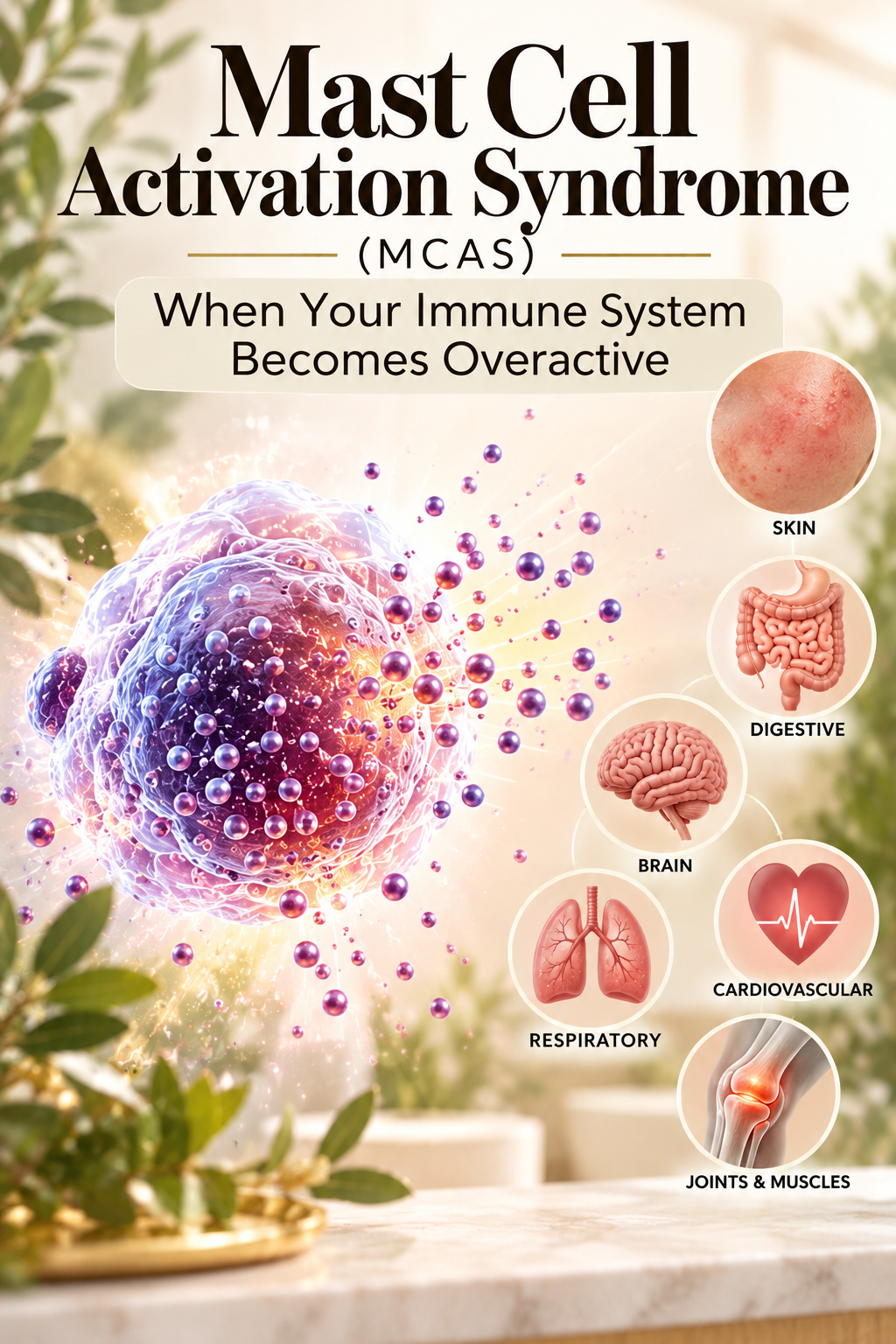
For some individuals, these symptoms may be associated with Mast Cell Activation Syndrome (MCAS), a condition involving inappropriate activation of mast cells and the release of inflammatory chemicals.
Understanding how mast cells function, what triggers them, and how to manage symptoms can be an important part of improving your health and quality of life.
What Is Mast Cell Activation?
Mast cells are specialized immune cells found throughout the body, particularly in the skin, gastrointestinal tract, respiratory system, and around blood vessels and nerves.
They play an important role in protecting us from infections, responding to allergens, and coordinating immune responses.
When activated, mast cells release chemical messengers, including:
- Histamine: Contributes to itching, flushing, nasal congestion, and digestive symptoms.
- Prostaglandins: Can contribute to flushing, inflammation, and abdominal discomfort.
- Leukotrienes: Can contribute to airway inflammation and breathing difficulties.
- Tryptase: An enzyme released by mast cells that can help evaluate mast cell activation.
- Cytokines: Signaling molecules that regulate inflammation and immune activity.
Normally, mast cells activate when needed and then return to a resting state.
However, in MCAS, mast cells can release excessive amounts of mediators inappropriately, producing recurring symptoms that affect multiple body systems.
The important distinction: Mast cell activation is a normal immune function. MCAS is a specific medical condition that requires appropriate diagnostic evaluation.
Common Symptoms of Mast Cell Activation
Because mast cells are distributed throughout the body, symptoms may involve several organ systems.
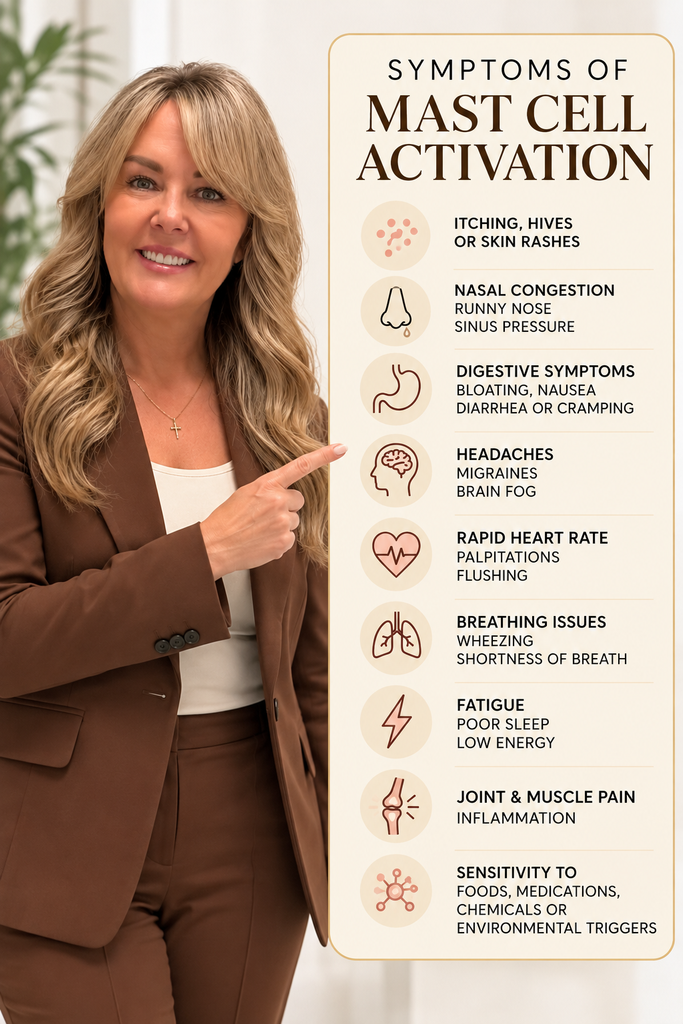
Skin Symptoms
- Flushing or sudden warmth
- Itching, hives, or rashes
- Skin redness or swelling
Digestive Symptoms
- Bloating and abdominal cramping
- Nausea
- Diarrhea
- Food-associated reactions
Brain and Nervous System
- Headaches or migraines
- Brain fog
- Difficulty concentrating
- Lightheadedness
Cardiovascular Symptoms
- Rapid heart rate
- Palpitations
- Dizziness
- Episodes of low blood pressure
Respiratory Symptoms
- Nasal congestion
- Runny nose
- Wheezing
- Shortness of breath
Other Possible Symptoms
- Fatigue
- Sleep disturbances
- Symptoms triggered by heat, exercise, or stress
These symptoms are not specific to MCAS and can occur with allergies, thyroid disorders, gastrointestinal conditions, medication reactions, and other illnesses.
What Can Trigger Mast Cell Activation?
Triggers vary from person to person, and not everyone reacts to the same substances or environmental conditions.
Commonly reported triggers include:
- Certain foods and alcoholic beverages
- Heat and sudden temperature changes
- Emotional or physical stress
- Infections
- Fragrances and environmental exposures
- Certain medications, including NSAIDs in susceptible individuals
- Hormonal fluctuations
- Physical exertion
The Connection Between Hormones and Mast Cells
Hormones and immune signaling interact in complex ways.
Estrogen can influence mast cell activity in experimental studies, while progesterone and other hormones may also affect immune responses.
Some women report changes in flushing, headaches, itching, or allergic-type symptoms during perimenopause and menopause.
However, research has not established that declining estrogen directly causes MCAS or that hormone replacement therapy treats MCAS.
Hormonal changes may be one piece of a broader clinical picture, particularly when symptoms overlap with menopause, thyroid dysfunction, and sleep disturbances.
The Gut–Mast Cell Connection
Mast cells help regulate interactions among the intestinal immune system, nervous system, and gut barrier.
When mast cell mediators are released, they can influence intestinal secretion, motility, sensation, and permeability.
This may contribute to symptoms such as abdominal discomfort, diarrhea, nausea, and food-associated reactions.
Research is also exploring how the gut microbiome communicates with mast cells and influences immune regulation.
Although dysbiosis and intestinal inflammation may coexist with mast cell-related symptoms, routine stool microbiome testing cannot diagnose MCAS, and correcting dysbiosis has not been established as a treatment for the syndrome.
A personalized gastrointestinal evaluation can help identify other treatable causes of symptoms.
How Is MCAS Diagnosed?
MCAS is not diagnosed by symptoms alone.
An appropriate evaluation generally looks for three important findings:
- Recurrent, significant episodes involving two or more organ systems, consistent with systemic mast cell activation.
- Objective evidence of mast cell mediator release, most commonly a rise in serum tryptase during an episode compared with the individual’s baseline.
- Improvement with treatments that block mast cell mediators or their effects.
A commonly used tryptase criterion is an event-related level exceeding baseline × 1.2 + 2 ng/mL.
Other mediator tests may be considered by specialists, although their interpretation can be challenging.
An allergist or immunologist experienced with mast cell disorders can help distinguish MCAS from allergies, chronic urticaria, mastocytosis, and other conditions.
Root Causes Of Mast Cell Activation And High Histamine Levels
We’ve discussed mast cell activation and MCAS as reasons behind high histamine. There are also other factors that contribute to high histamine levels, and these can also be root causes involved in mast cell activation.
These include:
- Genetic variations. DAO (diamine oxidase) is the enzyme that breaks down histamine in the gut. Some with a small change in the genetic code for this enzyme, called a SNP or single nucleotide polymorphism, may have a harder time breaking down histamine. A deficiency in DAO in the gut contributes to an intolerance to high histamine foods, such as fermented and aged food, and may lead to high histamine levels locally and throughout the body. There are also certain medications that suppress DAO production. Some medications that may reduce DAO production include ibuprofen, aspirin, indomethacin, diclofenac, clavulanic acid, cimetidine, verapamil.
Likewise, the HNMT, or histamine-n-methyltransferase, enzyme is essential for breaking down histamine within cells. Genetic variation may impact this breakdown. This enzyme also relies on methylation and genetics influence the body’s ability to methylate.
- Dysbiosis, or an imbalance in the microbiome. Much of the immune system resides in the gut and there are a lot of mast cells in the GI tract. GI pathogens, such as bacteria, viruses and fungi like candida trigger mast cell activation. In addition, certain bacteria produce histamine while others don’t, so an imbalance, even among beneficial bacteria, may lead to high histamine levels.
- Infections. It’s not just gut infections that lead to mast cell activation, viruses that cause the common cold, flu or even Covid activate mast cells. In these cases, we want the mast cell activation of a healthy immune system, but this can get out of balance for some. One recent study suggested a link between the hyperinflammatory cytokine storm associated with severe Covid infection, as well as long-covid, to a dysfunction in mast cells.
- Toxin exposure. Mold toxins, mycotoxins, can trigger mast cell activation. Many of the symptoms of high histamine overlap with symptoms of mold toxicity. Heavy metal exposure, such as aluminum and mercury, have been found to activate mast cells. In fact, this is one reason these metals are often used in vaccinations. Other chemicals and toxins that we’ve discussed on this blog may contribute as well.
- Nutrient deficiencies. Deficiencies in important immune nutrients, including vitamin D and zinc, may impair mast cell function and increase histamine levels. Deficiencies in folate, vitamin B12 and other methylation cofactors may impact the body’s ability to break down histamine, contributing to higher levels of histamine as well.
What Helps Calm Mast Cell-Related Symptoms?
Treatment focuses on identifying triggers, controlling mediator-related symptoms, and addressing underlying or coexisting medical conditions.
1. Identify and Reduce Triggers
Keeping a symptom diary can help identify patterns involving foods, medications, temperature changes, stress, and hormonal fluctuations.
Avoiding confirmed triggers is often more useful than following extensive restrictions without clear evidence of benefit.
2. Consider a Targeted Dietary Approach
Some individuals notice that certain foods worsen their symptoms.
Potential triggers may include alcohol, fermented foods, aged cheeses, cured meats, and foods that are poorly tolerated.
A short, supervised low-histamine dietary trial may help selected patients identify triggers, but evidence for its effectiveness in MCAS is limited.
Long-term restrictive diets should be avoided unless clearly necessary, as they can contribute to nutritional deficiencies.
3. Histamine-Blocking Medications
Medications commonly used for mast cell-related symptoms include:
- H1 antihistamines: Such as cetirizine or fexofenane, which may help itching, hives, and flushing.
- H2 blockers: Such as famotidine, which may help certain gastrointestinal symptoms.
- Mast cell stabilizers: Such as cromolyn sodium, which may be considered for selected patients.
- Leukotriene modifiers: Such as montelukast, in appropriate circumstances.
- Improve histamine clearance. DAO enzymes can be taken as a supplement like a digestive enzyme along with meals to help reduce histamine in the GI tract. Supporting methylation with nutrition and lifestyle is also supportive.
- Avoid toxins and support detoxification. Since many toxins are mast cell triggers, removing them from the body allows the immune system response to calm down. This may look like having mercury fillings removed, for example, or detoxifying from mold exposure. There are many helpful tests for determining the specific toxins that may be contributing to mast cell and histamine symptoms, then target detoxification efforts accordingly.
- Support mast cells. Many nutrients, adaptogens and natural compounds found in herbs and food are supportive of balanced mast cell health. These include vitamin C, omega-3 fats, curcumin, glutathione, quercetin, nettles, green tea, resveratrol, milk thistle and more.
It certainly doesn’t feel good when histamine is high, often triggered by infection or toxins. Symptoms of high histamine are clear messages from the body to dig deeper and restore balance to the microbiome and immune system.
Medication selection should be individualized based on symptoms, medical history, contraindications, and treatment response.
Patients at risk for anaphylaxis may require an epinephrine autoinjector and emergency action plan.
Low-Dose Naltrexone (LDN): An Emerging Treatment Approach
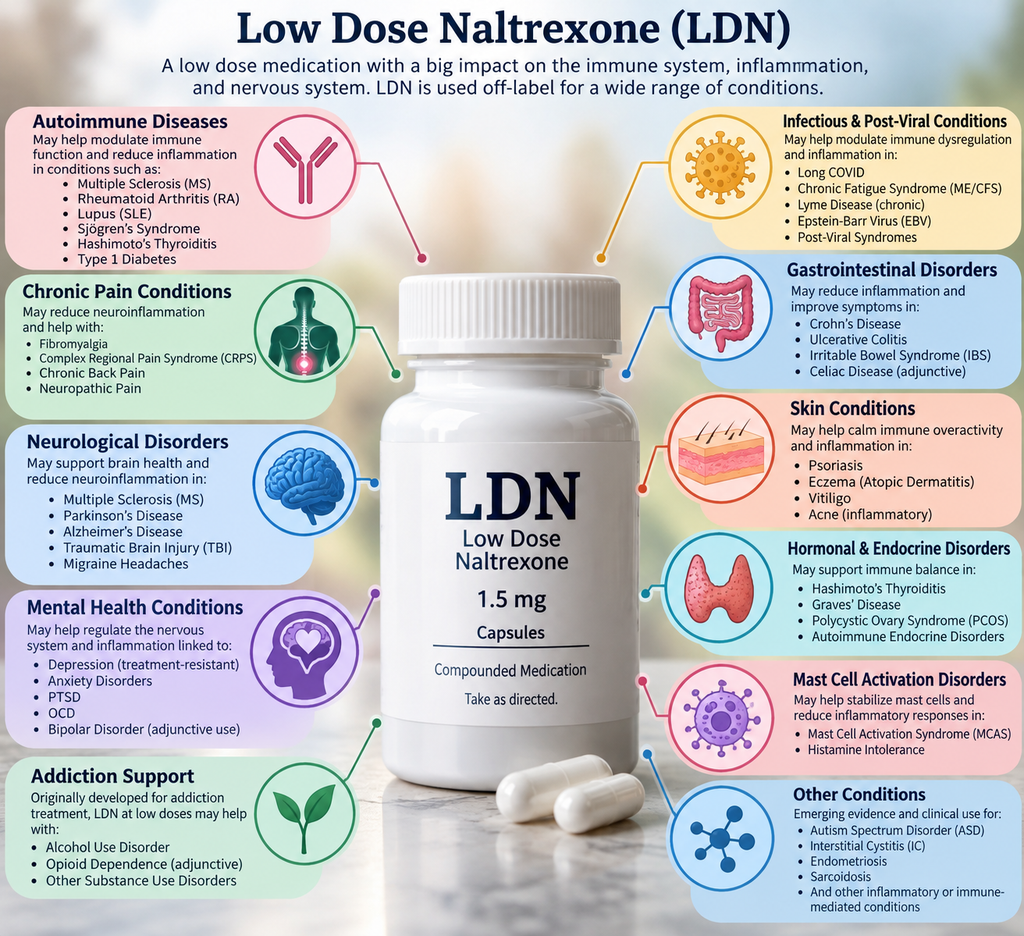
One therapy receiving attention in integrative and functional medicine is Low-Dose Naltrexone (LDN).
Naltrexone is an FDA-approved medication used at standard doses for alcohol and opioid use disorders.
LDN refers to its off-label use at substantially lower doses, often approximately 0.5–4.5 mg daily, although protocols vary.
How Might LDN Work?
LDN is being investigated for possible effects on immune signaling, pain processing, and neuroinflammation.
Proposed mechanisms include:
- Modulation of certain inflammatory signaling pathways
- Potential effects on microglial activation in the nervous system
- Alterations in pain sensitivity and neuroimmune communication
- Possible effects on cytokine signaling
Some laboratory research suggests that naltrexone may influence pathways involved in inflammation.
However, these mechanisms have not been confirmed as clinically meaningful treatments for MCAS.
Could LDN Help MCAS Symptoms?
Some clinicians use LDN experimentally in patients with complex inflammatory or chronic symptom conditions.
There are anecdotal reports and limited published observations involving mast cell-related symptoms, but high-quality clinical trials have not established that LDN is effective for MCAS.
LDN is not a proven mast cell stabilizer and should not replace established MCAS treatments.
For appropriately selected patients, an experienced prescriber may discuss LDN as an off-label option, with clear expectations about the uncertainty of benefit.
Important LDN Safety Considerations
LDN is not appropriate for everyone.
It can cause vivid dreams, sleep disturbances, nausea, headaches, or other adverse effects. Naltrexone also blocks opioid receptors and can interfere with opioid pain medications or precipitate withdrawal in opioid-dependent individuals.
Patients should be screened for opioid use, relevant liver disease, medication interactions, and other contraindications before treatment.
Additional Ways to Support Overall Health
A comprehensive approach may include:
Support Restorative Sleep
Consistent sleep schedules and treatment of underlying sleep disorders may improve fatigue and overall well-being.
Manage Stress
Stress-management strategies such as gentle movement, relaxation techniques, and breathing exercises may help reduce symptom burden in some individuals.
Address Nutritional Deficiencies
Testing and correcting documented deficiencies can support general health, but supplements have not been proven to treat MCAS.
Evaluate Coexisting Conditions
Thyroid disorders, food allergies, gastrointestinal diseases, medication effects, and hormonal changes may produce overlapping symptoms and deserve appropriate evaluation.
Use Supplements Thoughtfully
Quercetin, vitamin C, and other supplements are sometimes promoted for mast cell support. Laboratory findings are promising in some areas, but clinical evidence for treating MCAS remains insufficient.
Supplements may also cause adverse reactions and should be reviewed individually.
When Should You Seek Medical Attention?
f you experience recurring flushing, hives, gastrointestinal symptoms, dizziness, or unexplained reactions affecting multiple systems, a medical evaluation may help determine the cause.
Emergency warning: Sudden breathing difficulty, throat or tongue swelling, fainting, or severe symptoms involving multiple organ systems may indicate anaphylaxis. Use prescribed epinephrine if available and seek emergency medical care immediately.
A Functional and Integrative Approach to Mast Cell-Related Symptoms
At Radiant Integrative Health & Wellness, we believe persistent symptoms deserve a thoughtful and comprehensive evaluation.
Rather than focusing on one symptom alone, an integrative approach considers the interaction between immune function, gastrointestinal health, hormonal changes, nutrition, sleep, and other potential contributors.
Our goal is to help patients better understand their symptoms, identify appropriate testing and treatment options, and develop an individualized care plan.
When MCAS is suspected, collaboration with an allergy and immunology specialist is important for accurate diagnosis and evidence-based management.
Are You Experiencing Unexplained Symptoms?
If you are struggling with recurring flushing, itching, digestive discomfort, fatigue, or brain fog, it may be time to explore what is contributing to your symptoms.
Your symptoms deserve more than guesswork
Schedule a comprehensive consultation to discuss your health concerns and next steps.
Radiant Integrative Health & Wellness

Certified Functional Medicine & Hormone Provider
702-333-8458
www.radiantintegrativehealth.com
Educational disclaimer: This article is intended for general health education and does not replace individualized medical evaluation. LDN is an off-label therapy and is not FDA-approved for MCAS.
References and Further Reading
- Valent P, et al. Proposed Diagnostic Algorithm for Patients with Suspected Mast Cell Activation Syndrome. Journal of Allergy and Clinical Immunology: In Practice, 2019.
- Weinstock LB, et al. Successful Treatment of Postural Orthostatic Tachycardia and Mast Cell Activation Syndromes Using Naltrexone, Immunoglobulin and Antibiotic Treatment. BMJ Case Reports, 2018. (Case report; not proof of effectiveness.)
- Younger J, Parkitny L, McLain D. The Use of Low-Dose Naltrexone (LDN) as a Novel Anti-inflammatory Treatment for Chronic Pain. Clinical Rheumatology, 2014. (Mechanistic review; not an MCAS treatment trial.)
- LDN Research Trust> https://www.ldnrtcommunity.org/feed?post_login_redirect=https%3A%2F%2Fwww.ldnrtcommunity.org%2F