The Signs
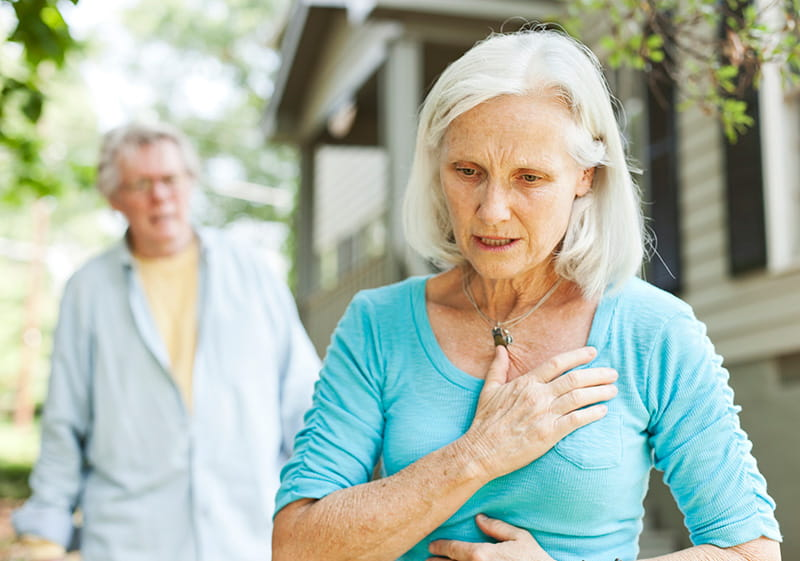
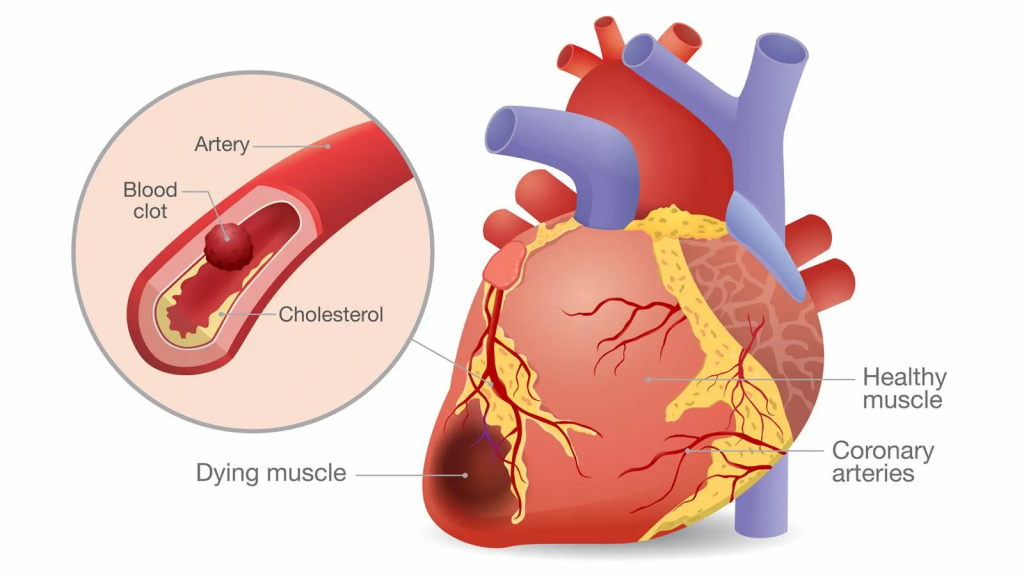
Most people think heart attacks strike out of the blue. One day, you feel fine. The next day, everything changes. But heart attacks don’t come out of nowhere. They are the end result of years, often decades, of silent damage happening beneath the surface. The real question is, “What is my risk right now, and what is driving it?”
True health comes from understanding your body, making informed choices, reducing cellular inflammation, and recognizing the warning signs of a heart attack.
The way you normally think about how heart attacks happen may not be accurate. Knowing what really happens can be powerful.
Don’t Ignore Heart Attack Warning Signs
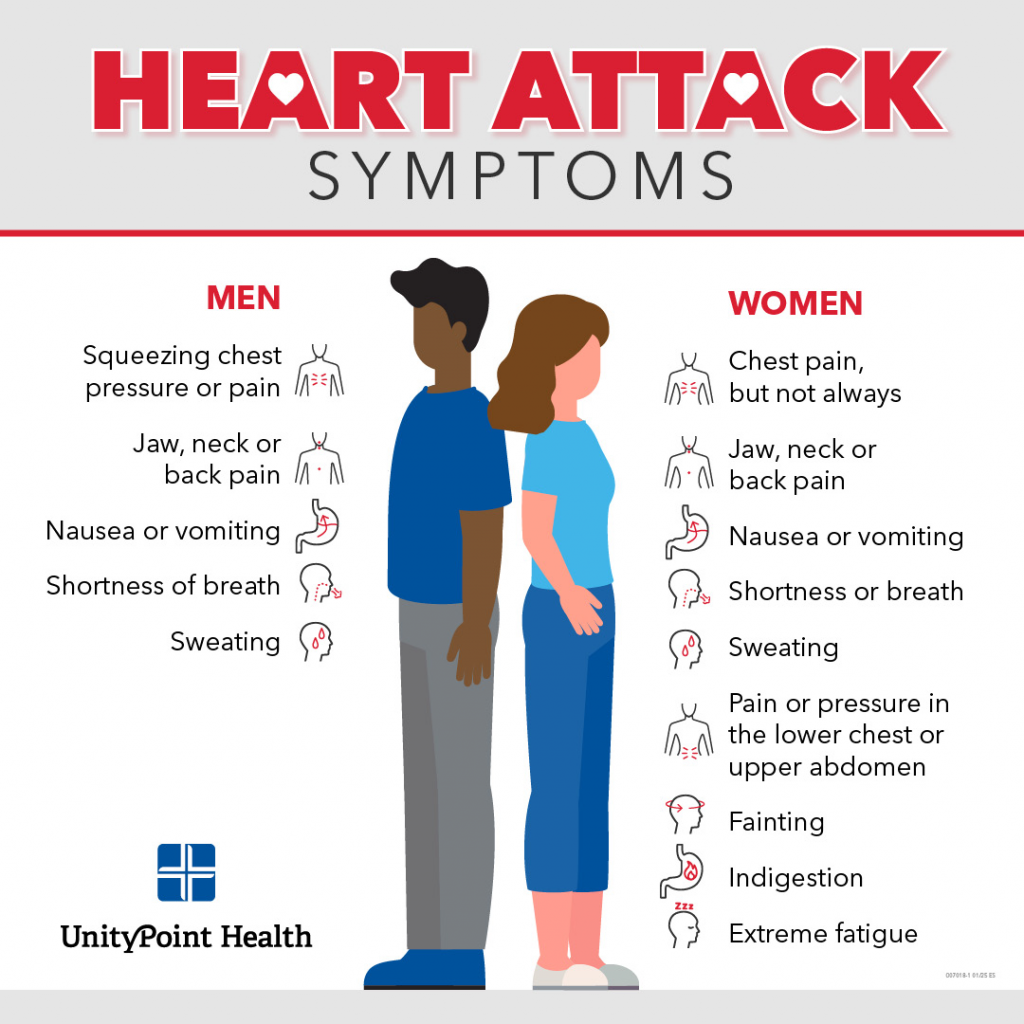
· Chest pressure, tightness, and heaviness: Most heart attacks involve pain or discomfort in the chest that lasts for more than a few minutes or goes away and comes back.
· Extreme fatigue: A sense of unusual or extreme tiredness that lasts for days, or weeks, can be a sign of heart trouble. This symptom can be more common in women.
· Fainting and lightheadedness: This sensation can involve dizziness, extreme weakness or anxiety.
· Nausea: A feeling of sickness associated with your stomach, but can be heart-related.
· Pain in shoulders, neck, jaw, or arms: Report any unusual upper- body symptoms to your doctor.
· Shortness of breath with or without chest pain: Heart attack sufferers can have trouble breathing for no apparent reason.
· Sweating: This can feel similar to hormonal hot flashes or night sweats.
Is It Heartburn, or a Heart Attack
The most common sign of a heart attack – for both men and women – is chest pain. But knowing whether the pain is a true warning sign of a heart attack or a bout of indigestion may not always be obvious.
If your pain is similar to heartburn, but it seems worse or different than what you normally experience, you should get emergency help. This is especially important if you’re experiencing other symptoms such as shortness of breath, sweating, dizziness, nausea or pain that moves into your shoulder and arm.
It’s best to pay attention when something does not feel right. It’s better to call 911 and be evaluated by EMS and find out it’s simply heartburn than to ignore the symptoms and find out too late that it’s serious.
Heart Attacks in Women
Every 40 seconds, someone in the United States suffers a heart attack. In 2020, heart disease killed over 7 times as many women as breast cancer.
While heart disease is the leading cause of death for both men and women in the United States, there are some key differences between genders. Women tend to develop cardiovascular diseases about 10 years later in life than men. Also, women are twice as likely as men to die within the first month after suffering a heart attack.
However, knowing your risks and lifestyle choices can help lower your risk of having a heart attack.
Functional Ways To Reduce Heart Attack Risks And A Stronger Heart
1. Optimize blood sugar & insulin sensitivity Cardiometabolic health starts with glucose balance. Focus on protein-forward meals, fiber diversity, resistance training, and minimizing ultra-processed foods.
2. Lower inflammation at the root Address drivers like gut dysfunction, toxin exposure, nutrient deficiencies, chronic infections, and unmanaged stress that fuel vascular inflammation.
3. Improve lipid function—not just numbers Look beyond total cholesterol. Target triglycerides, ApoB, LDL particle size, and oxidation through omega-3s, soluble fiber, and lifestyle precision.
4. Support gut & liver health A healthy microbiome and efficient detox pathways influence cholesterol metabolism, inflammation, and TMAO production linked to heart disease.
5. Move your body daily Even 30 minutes of walking, strength training, or interval movement improves circulation, lowers inflammation, and strengthens the heart.
6. Regulate stress, sleep & nervous system balance Chronic sympathetic overdrive raises blood pressure and cortisol levels. Prioritize sleep quality, circadian rhythm support, breathwork mindfulness, and parasympathetic activation.
7. Personalize prevention with advanced testing Use labs like hs-CRP, fasting insulin, A1C, homocysteine, ApoA, ApoB, micronutrients, and genetics to create targeted, preventative care—not reactive treatment.
8. Avoid smoking & limit alcohol. Smoking damages blood vessels and accelerates plaque buildup. Alcohol should be minimal—heart health improves when intake is reduced.

Conclusion
Understanding the support your body needs, making good lifestyle choices, and recognizing the warning signs of a heart attack can help you live a long, healthy life. It’s important to never neglect the signs of a heart attack.
Radiant Integrative Health & Wellness
At Radiant Integrative Health, we are here to support you through every phase of life. We are committed to helping you find real answers to your health challenges. If you have questions or are looking for guidance on any aspect of your health. Contact or text us at 702-333-8458. The providers at Radiant Integrative Health, Las Vegas, NV, are here to support you in all aspects of your health and wellness.
The providers at Radiant Integrative Health, Las Vegas, NV, are here to support you in all aspects of your health and wellness.
Let us help you take the first step towards a happier, healthier you.
Radiant Integrative Health – Age Happier Live Healthier