

IBD -Irritable Bowel Disease
(IBD), Other GI issues are on the rise. The U.S. Centers for Disease Control and Prevention (CDC) estimates that the number may reach up to 3.1 million today. There are two types of IBD, namely ulcerative colitis (UC) and Crohn’s disease.1
Crohn’s disease is a chronic condition that affects the gastrointestinal tract (GI), from the mouth to the anus, though most cases occur in the small intestine and colon. It’s characterized by recurring episodes of abdominal pain, diarrhea, weight loss, fatigue, and sometimes fever or blood in the stool. If left untreated, Crohn’s can lead to serious complications like bowel obstruction, malnutrition, and even colorectal cancer.
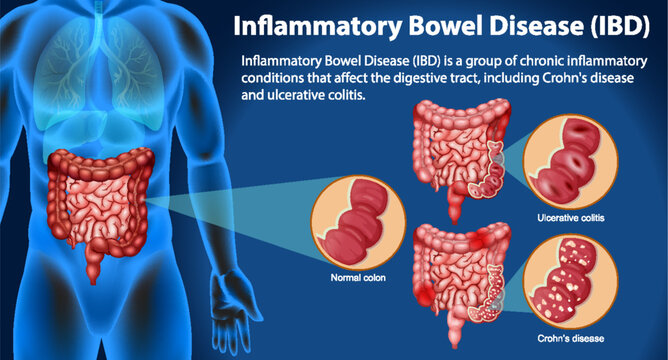
Alarmingly, cases of Crohn’s and colitis are continuously rising today, and what’s driving its steady increase might be as close as your kitchen pantry, specifically, ultra-processed foods (UPFs).
How Ultra-Processed Foods Disrupt the Microbiome Balance
UPFs contain industrial ingredients like emulsifiers, thickeners, artificial sweeteners, and seed oils that disrupt your gut’s protective barriers. These additives damage the mucus lining, promote harmful bacteria, reduce good bacteria, and overstimulate your immune system, all of which drive inflammation and increase intestinal permeability (leaky gut), a key factor in Crohn’s development.
Ultra-Processed Foods

Examples include sugary cereals, white breads, frozen meals, deli meats, sauces, boxed dinners, and nearly anything made with long ingredient lists or items you wouldn’t cook with at home. If a food contains ingredients you don’t recognize, it’s likely ultra-processed.
Eliminate Seed Oils From Your Diet
Most UPFs are made using seed oils (soybean, corn, sunflower, and safflower), which are rich in linoleic acid (LA). Excess LA alters your gut environment, disrupts immune signaling, and worsens intestinal permeability over time. They cause massive amounts of inflammation, which in turn causes even candida overgrowth in the gut, which then creates about 95% of your everyday health problems.
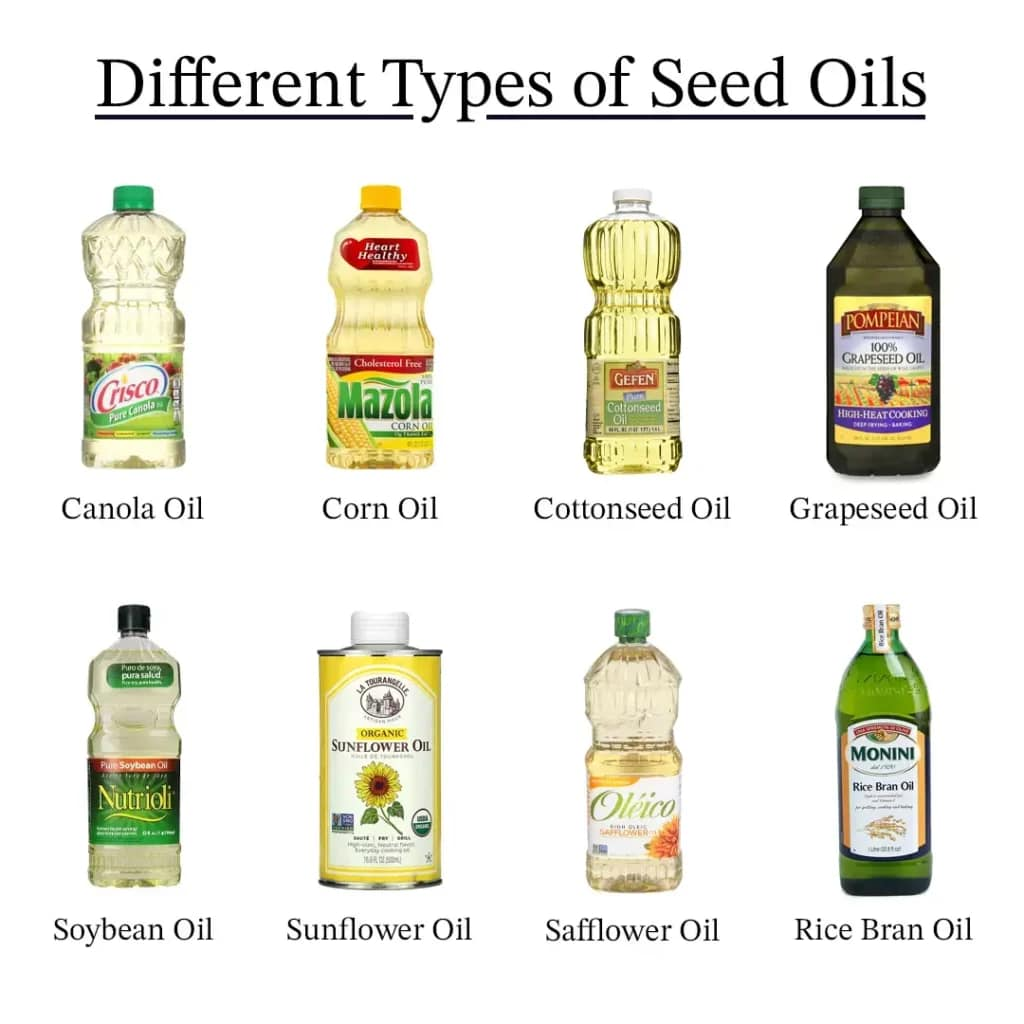
To restore your microbiome, and swap them for healthy fats like ghee, grass-fed butter, or coconut oil. Then, focus on replacing processed foods with whole foods, pasture-raised meats, fruits, vegetables, and resistant starches such as cooked rice or root vegetables. Supporting beneficial bacteria such as Akkermansia muciniphila through polyphenol- and inulin-rich foods also helps restore gut health and reduce inflammation.
Practical Ways to Start Healing Your Gut and Lower Your Risks
If you’re living with IBD or other GI issues, then your daily decisions around food and environment matter. What you eat plays a central role in either fueling inflammation or giving your gut the chance to recover. And while completely overhauling your diet isn’t easy, especially with a busy lifestyle, small, strategic steps can make a big difference.
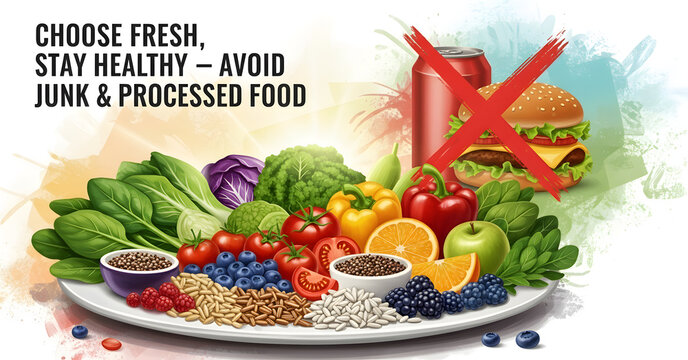
1. Declutter Your Kitchen of Ultra-Processed Foods
Take a moment to sweep through your pantry, refrigerator, and freezer, and discard items such as packaged snacks, sugary drinks, frozen meals, deli meats, and breakfast or protein bars, even if the label claims they’re “organic” or “low-fat.” These products are often still heavily processed and filled with additives your body doesn’t need. Creating an environment that supports healthier choices.
2. Make Whole Foods the Core of Every Meal
Transitioning to a whole-foods-based diet doesn’t mean giving up convenience; it means redefining it. After you’ve done a pantry sweep, stock your kitchen with easy, reliable staples that support your health without the need for heavy processing. Build your meals around simple, nourishing ingredients like pasture-raised eggs, grass-fed beef, grass-fed butter, wild-caught fish, fresh fruits, and well-cooked vegetables. Root vegetables can also be a great addition. Eating the right carbohydrates helps repair your gut and produce proper cellular energy. These foods will give your cells the energy they need while minimizing digestive issues.
By making minimally processed whole foods your foundation, you’ll create meals that are both satisfying and supportive of long-term wellness.
3. Support the Growth of Akkermansia Muciniphila
Focus on feeding your gut’s beneficial microbes, especially Akkermansia, which is a keystone bacterial species essential for maintaining microbiome balance.
To naturally promote Akkermansia growth, include more polyphenol-rich fruits, such as berries, along with inulin-rich foods, including garlic, asparagus, bananas, and leeks. These prebiotic fibers nourish Akkermansia and promote its proliferation.
Conclusion
Changing your diet can significantly affect your overall health and reduce inflammation. If you have persistent indications of poor digestive health and imbalances that lead to multiple health issues. It’s important to never neglect the signs of poor GI health. Find a provider who will take the time to listen to you and your concerns.
Radiant Integrative Health & Wellness Can Help
At Radiant Integrative Health, we are here to support and restore balance. We specialize in microbiome testing using advanced methods to balance your microbiome. We are committed to helping you find real answers to your health challenges. If you have questions or are looking for guidance on any aspect of your health. Contact or text us at 702-333-8458. The providers at Radiant Integrative Health, Las Vegas, NV, are here to support you in all aspects of your health and wellness.
Let us help you take the first step towards a happier, healthier you.

Radiant Integrative Health – Age Happier Live Healthier