

Common Signs and Symptoms of an Unhealthy Gut
Gut Health Is Important
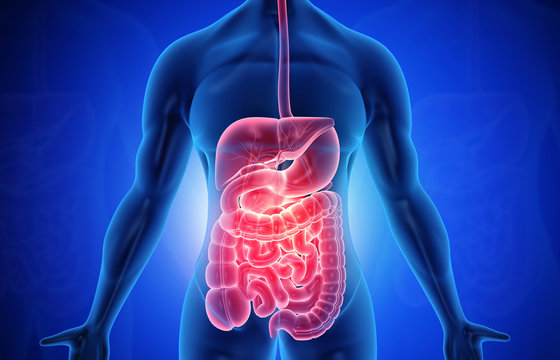
Do you have frequent discomfort or an upset stomach? Changes in bowel movements, such as gas, bloating, constipation, diarrhea, and heartburn, could be signs that your gut is having a hard time processing food and eliminating waste. These can be more than a mere annoyance; they can be an overgrowth of bad bacteria, such as candida, fungus, or infection. Many of these can lead to a lack of nutrient absorption and may lead to ongoing health conditions.
What are common symptoms of an unhealthy gut?
· Skin allergies/irritations: Inflammatory skin concerns, including acne, eczema, and psoriasis, have been connected to unhealthy GI health.
· Mood fluctuations: Gut imbalance and inflammation can lead to changes in the nervous system, thus leading to depression and anxiety.
· Migraines: There may be a link between headaches and gut health, especially if you experience nausea or vomiting with migraines. Studies suggest that people with frequent headaches are more likely to have gastrointestinal disorders.
· Autoimmune conditions: An imbalance in digestive bacteria, “bad” gut bacteria, may trigger autoimmune conditions like Hashimoto’s, rheumatoid arthritis, multiple sclerosis, and others.
· Fatigue: Experiencing exhaustion all the time can be related to trouble with nutritional absorption in the gut.
· Changes in stool: If you have noticed a change in the color or consistency of your stool, like if you experience loose or light-colored stools, then it might be time to investigate with a provider.
· Food cravings: Yearnings for certain foods, such as sugar, can be a sign of an imbalance in gut bacteria, “yeast overgrowth,” or nutritional deficiency.
· Stomach discomfort: Ongoing bloating, gas, or constipation could be a sign that your gastrointestinal tract is having trouble digesting food and getting rid of waste products.
· You have trouble sleeping: An unhealthy gut can cause poor sleep, which leads to fatigue. The majority of your body’s serotonin, which affects mood and sleep, is produced in the gut. So, when there’s bacteria or inflammation in the gut, your sleep may be affected as well.
· Intolerant to some foods: Food intolerances may be caused by poor quality of bacteria in the gut. You may have a food intolerance if you struggle to digest certain foods. This can cause bloating, gas, diarrhea, nausea, and abdominal pain.
· Unexplained weight changes: When your gut is imbalanced, your body may struggle to absorb nutrients, store fat, and regulate blood sugar. Weight gain may be caused by bacterial overgrowth or nutrient deficiency.
How can I improve my gut health?
· Probiotics promote the growth of healthy bacteria in the gut. You can take these in vitamin form or, preferably, from natural sources like yogurt, kefir, kombucha, and kimchi.
· Limit processed foods and sugar. Instead, get nutrients from plant-based foods and lean proteins. A diet high in fiber can promote a healthy gut.
· Drink enough water aids with digestion.
· Avoid over-processed foods and refined sugars. Choose healthy options, fresh fruits, chicken, fish, lean meats and vegetables.
· Exercise regularly. Moving your body improves the healthy microbes in your body, keeps your bowel movements regular, and prevents disease while improving your overall health.
· Get enough sleep. Aim for 7-8 hours each night. Proper sleep helps to balance your hormones and prevent many scenarios that can negatively impact your digestive health, like stress or eating too close to bedtime.
· Reduce stress. Some studies show that people who have early life stress more likely to develop IBS. Finding ways to manage and reduce your stress can help manage your gut.
· Avoid or quit smoking. Smoking can harm your digestive system in many ways—from heartburn and ulcers to liver disease and cancer. If you smoke, try to quit.
· Increase fiber intake can promote good bacteria growth, improves bowel regularity, protects gut lining, reduces inflammation, and supports blood sugar & metabolic health (gut-driven).
Conclusion
These can be more than a mere annoyance. If you have persistent indications of poor digestive health and imbalances leading to many health issues. It’s important to never neglect the signs of poor GI health.
Radiant Integrative Health & Wellness Can Help
At Radiant Integrative Health we are here to support and restore balance. We specialize in microbiome testing using the lastest advanced testing to balance your microbiome. We are committed to helping you find real answers to your health challenges. If you have questions or are looking for guidance on any aspect of your health. Contact or text us at 702-333-8458. The providers at Radiant Integrative Health Las Vegas, NV. are here to support you in all aspects of your health and wellness.
Let us help you take the first step towards a happier, healthier you.